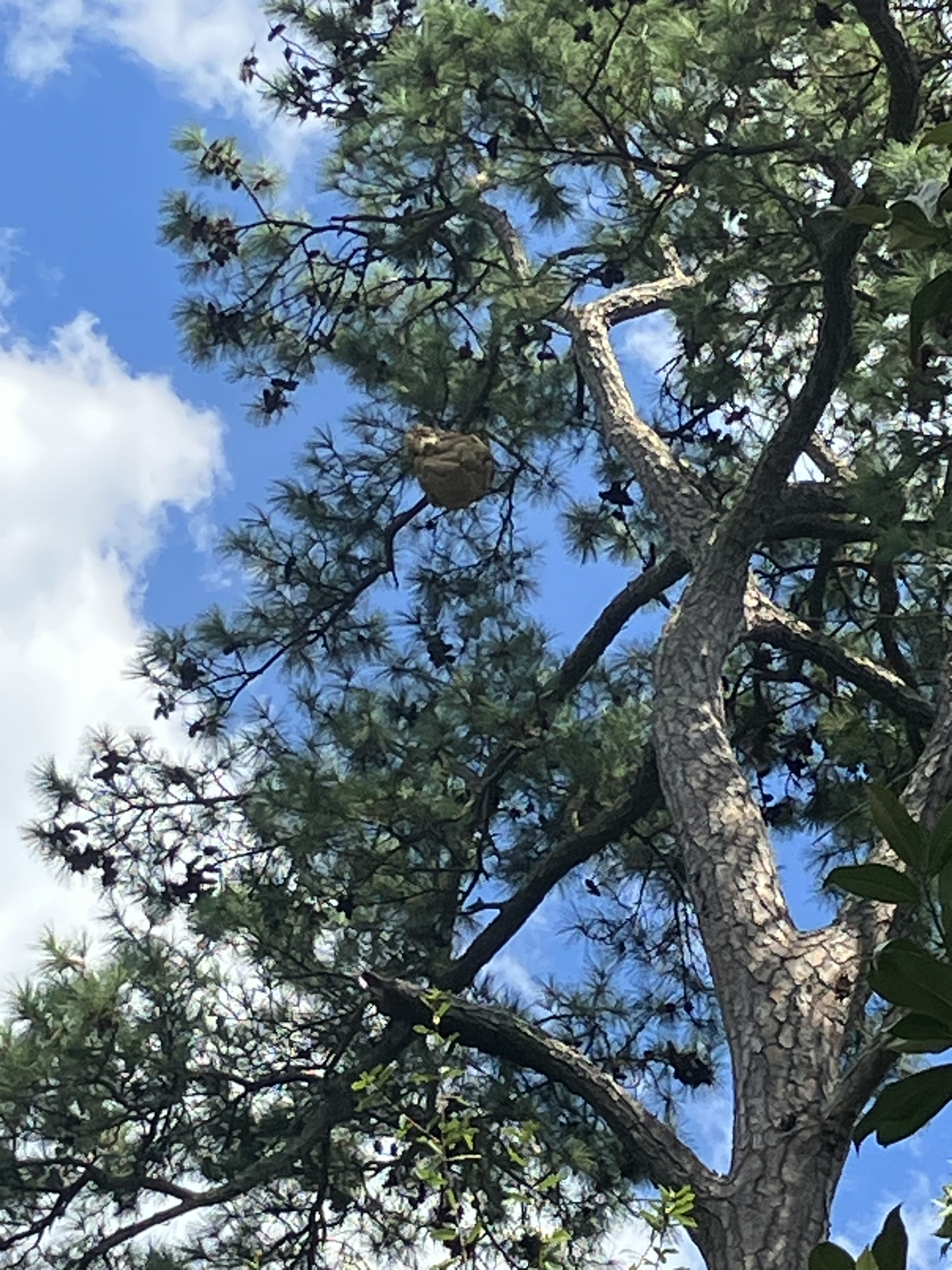
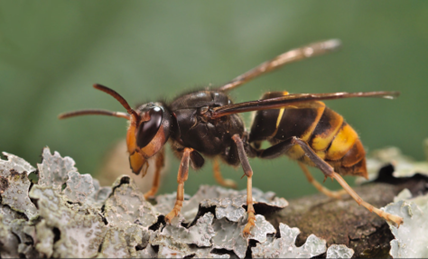
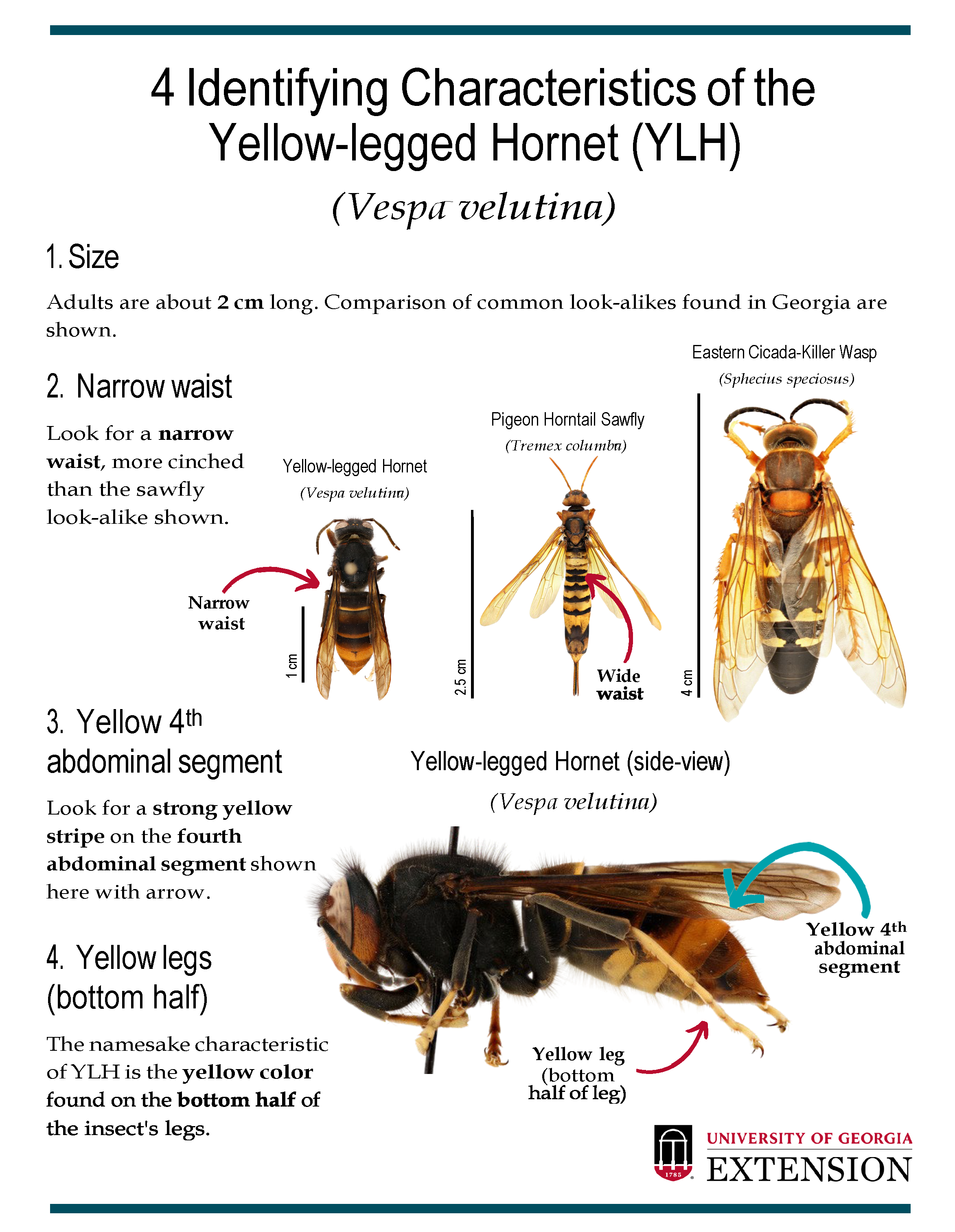
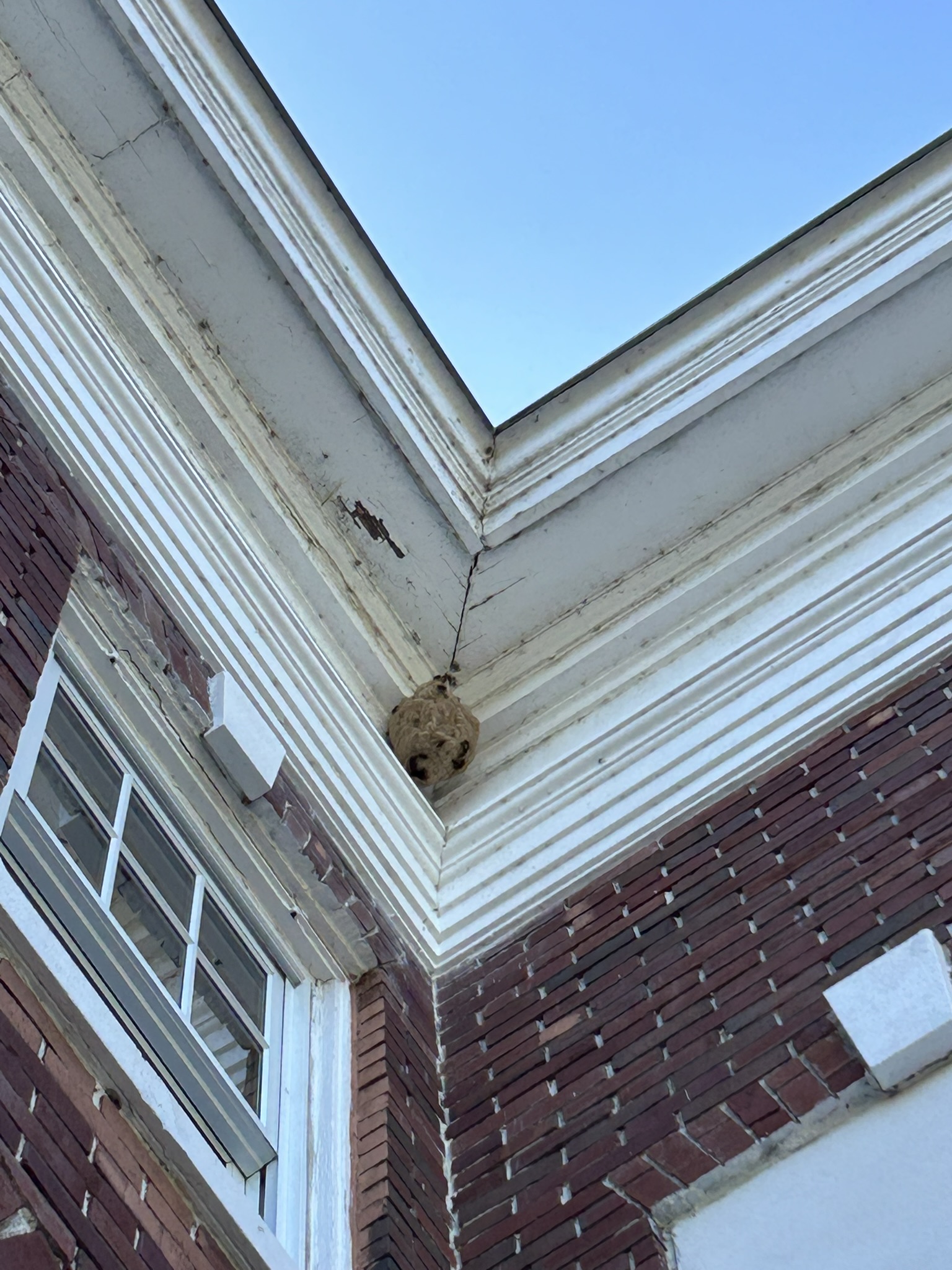
If you suspect that you have found a yellow-legged hornet, please attempt to take a clear photo of the specimen with the abdomen and legs visible and use the link https://agi.alabama.gov/contact-us/ to send the image with subject line “Invasive Species.” The graphics on the right show key diagnostic characteristics for the yellow-legged hornet and some native lookalikes.
The first North American Yellow-legged Hornet (YLH) colony was discovered in Savannah, GA, in 2023. Native to Southeast Asia, YLH is a major predator of honey bees and other social insects. After its introduction to France in 2004, it spread rapidly through Europe, causing major honey bee losses. If established in the U.S., YLH would pose a serious threat to already struggling pollinator populations.
Honey bees (Apis mellifera) are essential to U.S. agriculture, pollinating crops such as almonds, cherries, blueberries, and many fruits, contributing over $20 billion annually. Honey bees in the Southeast already face pressure from pests like varroa mites and small hive beetles—so the addition of exotic hornets would worsen colony losses and increase management costs.
Exotic hornets, especially the Northern Giant Hornet (NGH, formerly “murder hornet”) and YLH, are highly efficient predators. They hunt socially, mark targets with pheromones, and can overpower entire honey bee colonies. YLH typically builds large exposed nests above ground, while NGH nests mostly in underground cavities. Both species feed on sugary substances as adults and hunt insects—especially honey bees—to feed their larvae.
Honey bees cannot defend effectively against these hornets; NGH and YLH can destroy colonies within hours, leaving piles of headless bees at hive entrances. European hornets (already established in the U.S.) can kill individual bees but do not typically destroy entire colonies.
Hornets can sting but pose similar human health risks to other wasps. They generally sting only when nests are disturbed. Anyone experiencing severe allergic symptoms after a sting should seek medical care immediately.
Prevention & Monitoring:
Trapping may help detect hornets but does not control populations. Spring trapping may reduce queens, but fall trapping mainly catches workers. The best protection for beekeepers is to modify hive entrances with screens small enough to block hornets but large enough for bees. Vent openings in inner covers should also be screened if oversized.
ADAI Inspectors are deploying over 40 traps strategically around the state for weekly monitoring.
ADAI — Apiary / Honey Bee Inspectors Contact Info
Apiary Inspector Supervisor: Brittaney Allen
Brittaney.Allen@agi.alabama.gov
ADAI Main Address: 1445 Federal Drive, Montgomery, AL 36107-1123
🐝 Regional Bee Inspectors — ADAI Apiary Protection Unit
Phillip Carter — Inspector Region: Lee County/ South East AL
Brandon Hargraves — Inspector Region: Baldwin County / South West AL
Billy Mullins — Inspector Region: Madison County / Northern AL
General Apiary Unit Contact Office phone: 334-240-7228 — for statewide apiary questions, documentation, or health-certificates.
Embryo Nest
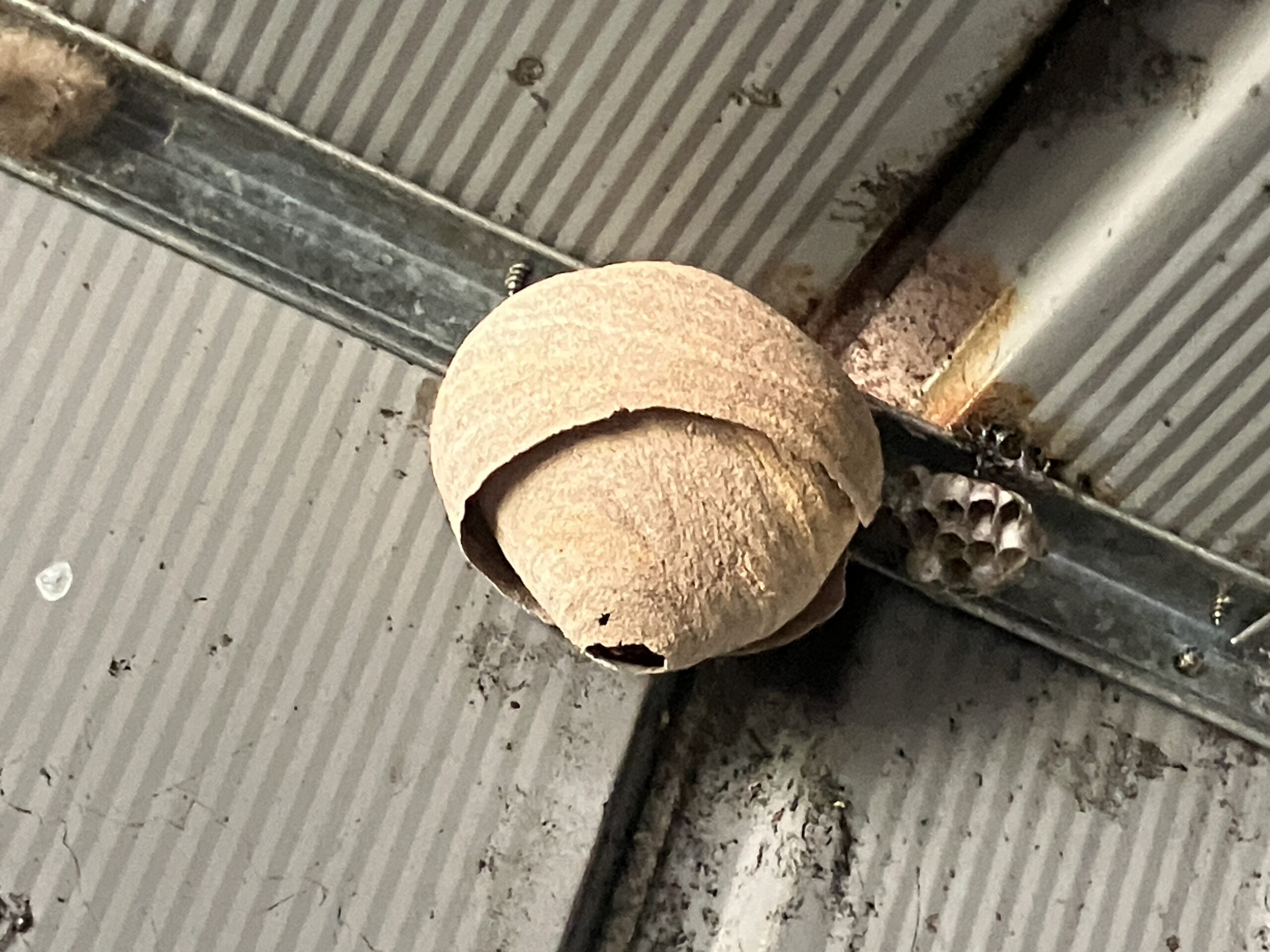
Primary Nest
Secondary Nest